For builders using
coding agents.
Emerging practices for building with AI.
We help you see new angles, try better approaches, and build more powerful things.
Play latest episodeLATEST EPISODE
 EP 15
Coding Agents Just Changed Formal Verification Forever | Poteto's Skill, Bend2, Drifting Models
Poteto's formal verification skill helps coding agents choose what to verify, pick a tool, and maintain the check. We discuss Anthropic's research, Victor Taelin's Bend2, and state-machine checking, then examine a key risk: a proof can pass while a separate model drifts from your shipped code. We also explore bringing verification into the application itself.
EP 15 · OCT 29, 2026 · 29 MIN
Recent episodes
VIEW ALL EPISODES EP 14
The Missing Piece for AI Agents That Keep Working
An agent that handles new GitHub issues needs to keep working through crashes, restarts, and changes in who's using it. Pi Durable gives you a foundation for building that kind of persistent workflow. The key is separating agent state from the process running it. Cloudflare Durable Objects can give that state a shared cloud home, with execution triggered by requests and configured wakeups. In this episode, we explain how the two fit together, use an interrupted refund to examine recovery, and look at shared chat, runtime reloads, and a phone-local agent. We also discuss what stored task state could reveal without advancing the agent.
 EP 13
How to Make Coding Agents Faster: Crabbox + 3 Fixes
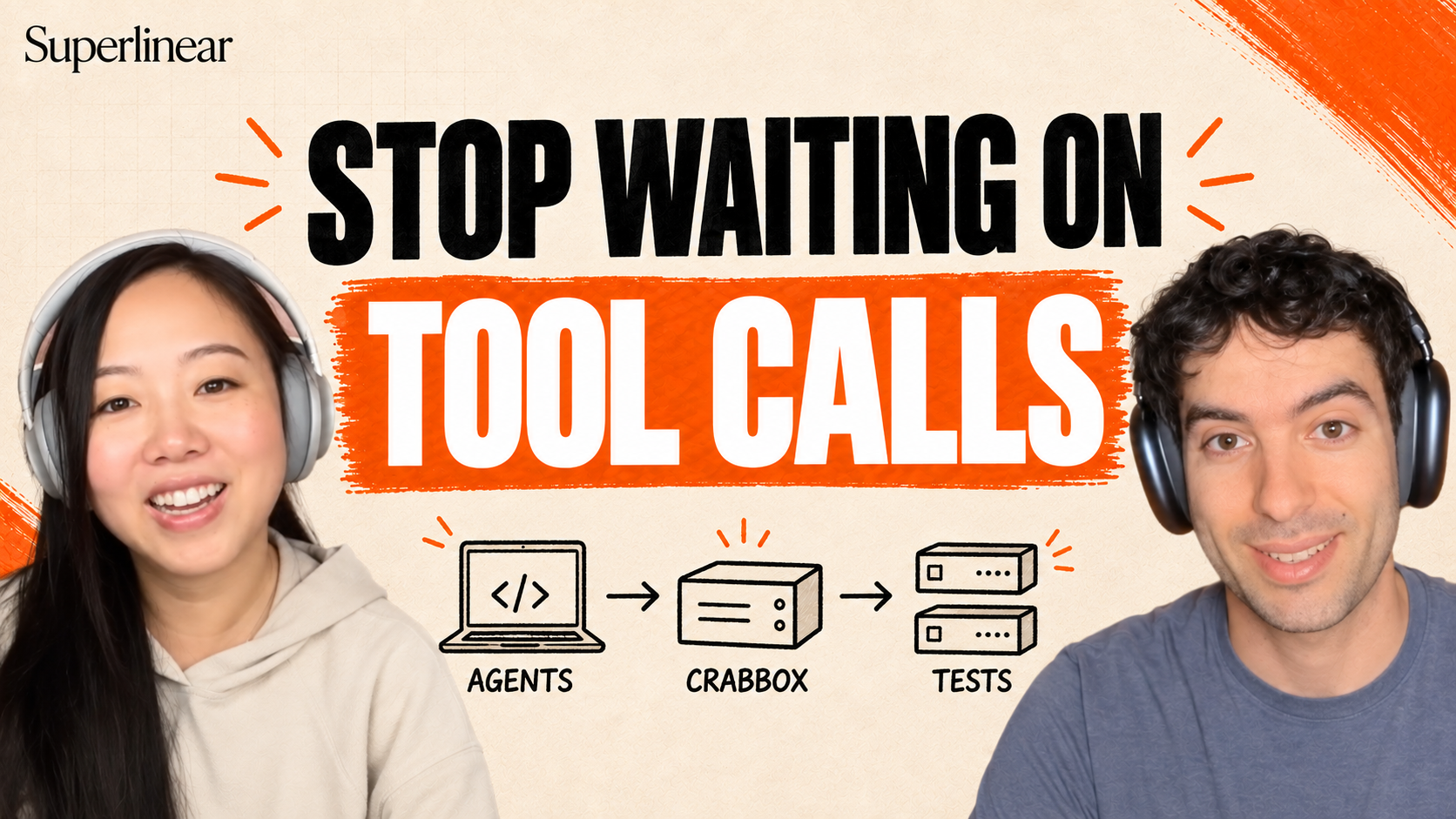
Your coding agent can spend more time waiting for tests and builds than writing code. As inference gets faster, tool calls can become a larger share of the wait. Speeding up that feedback loop means examining which checks run, how they run, and where they run. Crabbox, from Peter Steinberger and the OpenClaw team, keeps agents local while expensive work runs on other machines. In this episode, we share our experience offloading Electron tests with Crabbox, discuss the tradeoffs of selective testing and parallel verification, and look at faster tools such as Oxlint and a custom Swift linter. We also discuss which optimizations are worth the effort.
 EP 12
How to Build AI Agents Like Dots, Instinct, Muse & Grok Bot
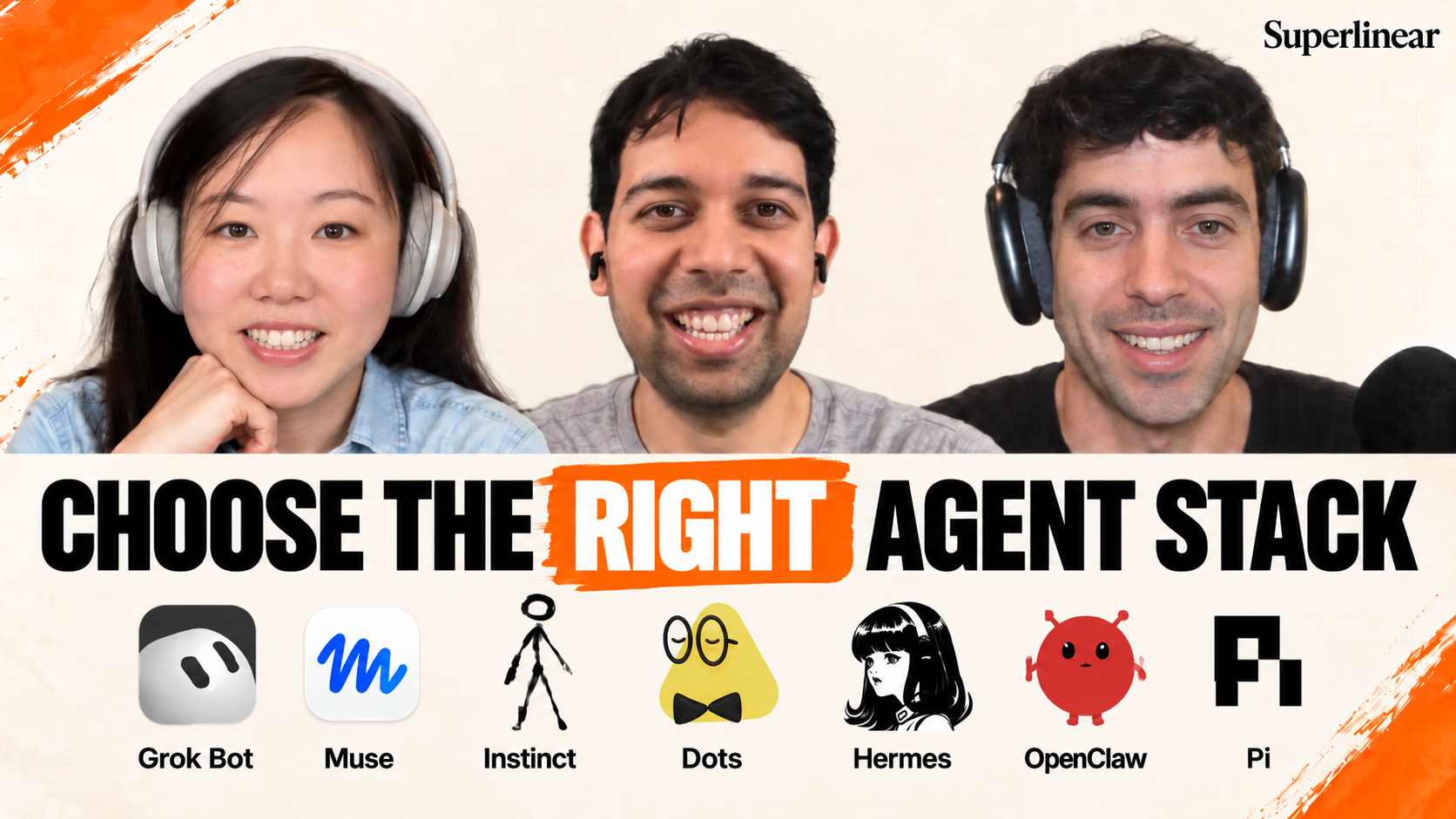
How do you build an agent like Dots, Muse, Instinct, or Grok Bot? Start high up the stack, and move down only when you need more control. Vishnu Krishnaprasad, founder of YC F26 startup Agent37, explains when to use Hermes, OpenClaw, or Pi, why each user needs a separate sandbox, and how to turn a proven manual workflow into skills. He also demos a Dots-like agent built on Hermes.
From the blog
VIEW ALL POSTSCoding Agents Just Changed Formal Verification Forever
Poteto's verification skill, Bend2, and the model-drift problem: how coding agents are making formal verification accessible, and what a passing proof actually covers.
4 things worth building with Pi Durable and Cloudflare Durable Objects
Durable workflows, shared team agents, agents that run anywhere, and new tools built on persistent agent state.
4 Emerging Practices for Building with Taste in the Age of AI
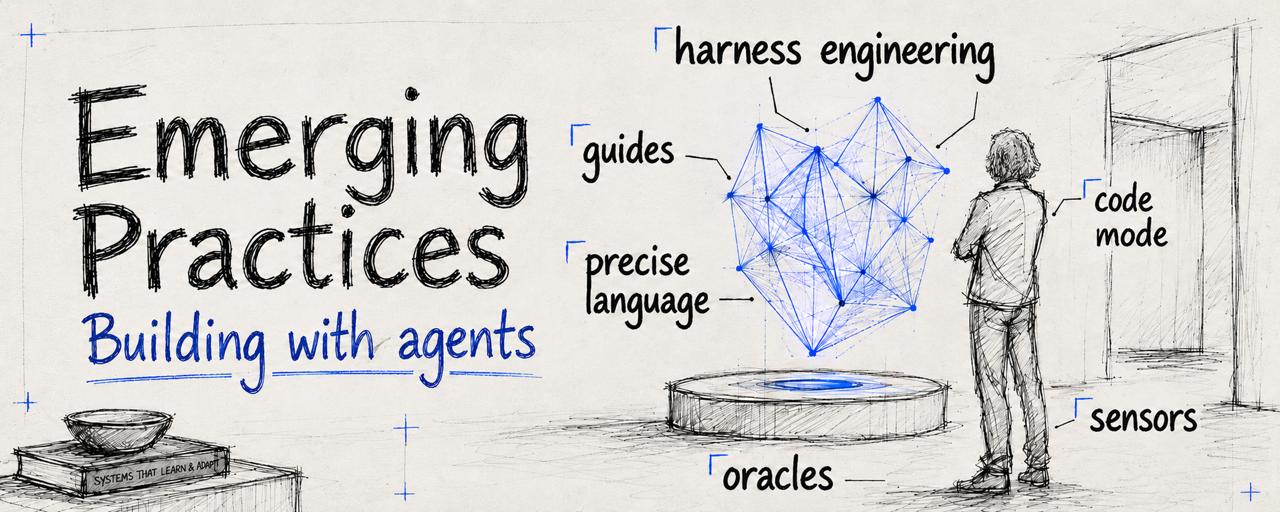
How to express taste in forms a model can use: harnesses, expert language, tool interfaces, and oracles.